The New Defence Bottleneck – Speed Is Becoming a Competitive Advantage
For decades, defence capability was largely a question of industrial capacity. More factories, more platforms, more ships and more missiles were seen as the clearest measures of readiness and strength. That will continue to matter. But it is no longer enough.
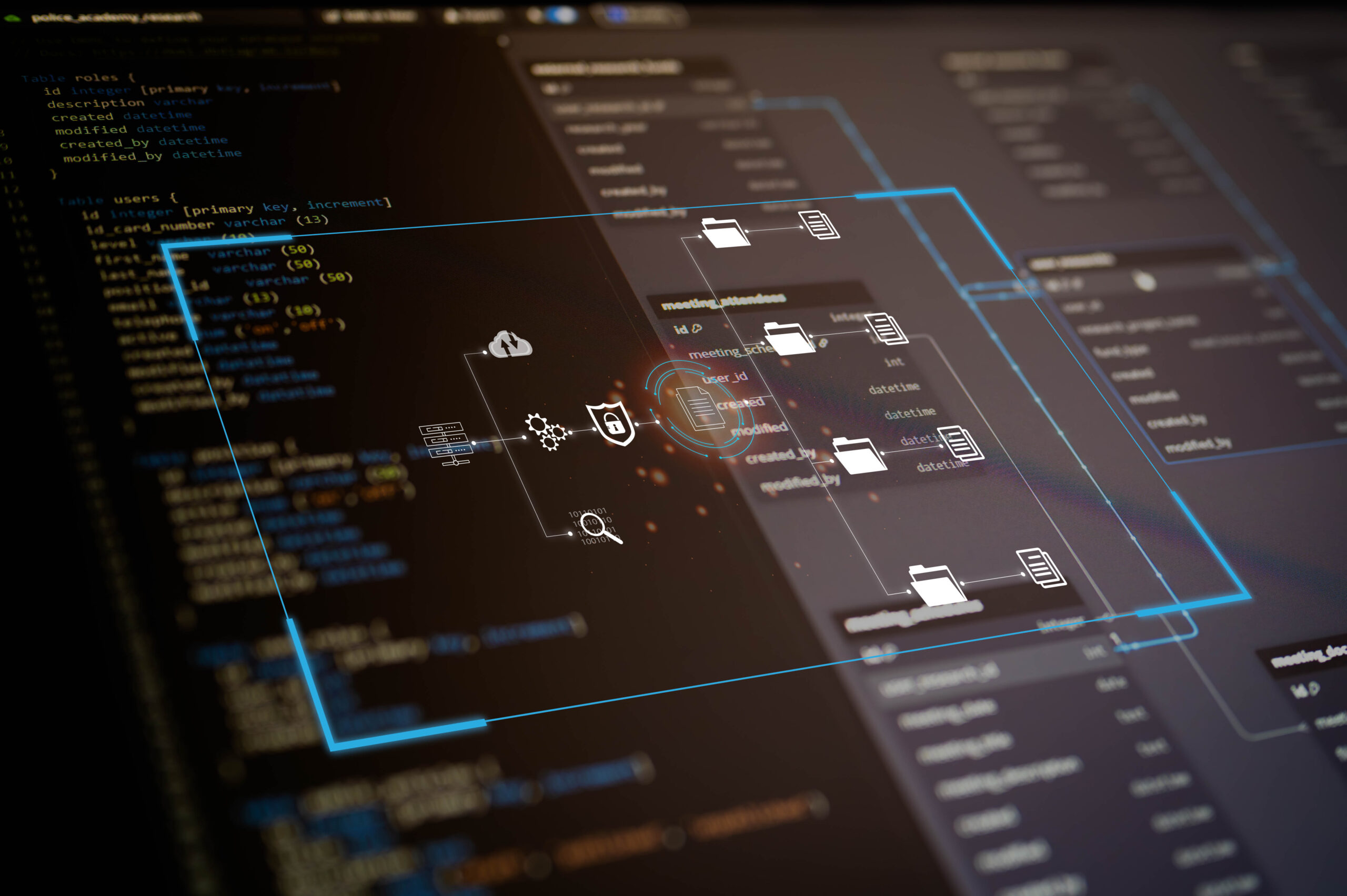
As modern defence systems become increasingly software-defined, the rules are changing. The organisations that succeed over the coming decade will not simply be those capable of producing more. They will be those capable of turning ideas, engineering and technology into operational capability faster than their competitors. Delivery speed is no longer just a measure of efficiency. It is becoming a strategic advantage.
Production Is No Longer the Bottleneck
Europe is investing heavily in defence readiness. Production facilities are expanding, procurement programmes are accelerating and industrial capacity is growing across the continent.
Yet many organisations are discovering that manufacturing is no longer the only constraint. Increasingly, the real challenge lies in how quickly new capability can be designed, integrated, verified and deployed into operational environments.
This represents a fundamental shift. For decades, defence systems were primarily physical products that were developed, delivered and then maintained over time. Today, they are living systems where software is continuously updated, improved and integrated with other platforms and capabilities. Capability is no longer created only on the factory floor. It is created in engineering environments, integration platforms and delivery pipelines.
When Complexity Slows Progress
Modern defence systems are among the most complex products humans build. Software, cybersecurity, systems integration, operational workflows, simulation environments and verification processes all interact throughout the lifecycle of a system.
At the same time, defence operates under conditions that differ significantly from most commercial industries. Mistakes carry serious consequences, certification requirements are extensive and operational systems often remain active for decades.
As a result, the challenge cannot simply be solved by hiring more people or investing in more infrastructure. In many cases, the opposite happens.
As organisations grow, integration dependencies multiply, verification cycles become longer and coordination demands increase. Teams spend more time managing processes and dependencies and less time evolving capability. The result is that delivery speed often declines even as investments increase.
Software as a Scaling Mechanism
This is where software becomes strategically decisive. Not simply as a feature inside defence systems, but as the mechanism that allows organisations to compress lead times, automate workflows and accelerate capability development without scaling physical infrastructure at the same rate.
Simulation environments already allow testing and validation to happen digitally rather than relying exclusively on physical infrastructure. Automated software pipelines reduce manual effort, while AI-assisted engineering workflows help teams manage documentation, systems integration and operational modelling at greater scale. None of this is science fiction. Many of these practices are already standard within the world’s highest-performing software organisations, where disciplined engineering enables faster delivery without compromising quality or control. The challenge is applying the same principles within some of the world’s most demanding operational environments.
The organisations adapting most successfully to this shift focus less on individual tools and more on the system as a whole. Software delivery, cybersecurity, systems integration, simulation and operational workflows are treated as interconnected parts of the same capability system rather than separate initiatives.
Speed as a Strategic Capability
The organisations leading this transition have also recognised something many others still struggle with: speed and resilience are not opposites.
Fragmented systems often become both slower and more vulnerable at the same time. Well-designed engineering environments do the opposite. They reduce friction, improve traceability and make it easier to evolve systems rapidly without compromising security or control.
This is precisely why delivery capability is becoming a strategic advantage. As software defines an increasing share of modern defence capability, organisations must be able to evolve faster than threats, technologies and operational requirements change around them.
Industrial scale will continue to matter. But future defence readiness will increasingly depend on something else: the ability to turn ideas, engineering and software into operational effect faster than adversaries can adapt.
Closing Perspective
In modern defence, speed is no longer just an operational metric. It has become a strategic capability.
Organisations that successfully combine engineering discipline, modern software development and operational understanding will be able to develop new capability faster, more securely and more sustainably than their competitors. That is where the next competitive advantage will be built.
The Future of Defence Is Software-Defined
Whether you’re looking to accelerate development, strengthen cyber resilience, improve decision support or build the next generation of defence capability, success increasingly depends on how effectively software, systems and people work together.
Let’s talk about what that means for your organisation.